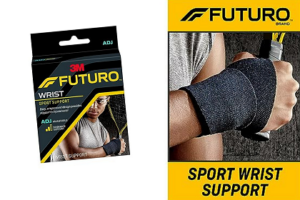
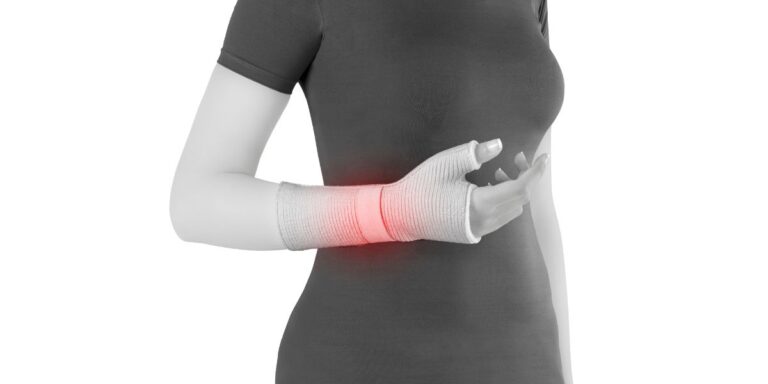

Many people are often skeptical of compression sleeves because they fear that they don’t work and are just for show. However, this is completely untrue. Compression reduces muscle soreness, increases blood pressure, and stops blood from pooling. Additionally, it can enable improved performance over a longer duration.
In this article, we’ll try to answer frequent questions about wrist compression sleeves and help you choose the best sleeve for you.
Do Wrist Compression Sleeves Work for Wrist Pain?
Yes, they do. Compression wrist sleeves reduce swelling by preventing fluids such as blood or lymphatic fluid from pooling at the location of the injury. They work by manipulating veins by constricting the blood, improving the blood flow.
How Tight Should a Wrist Compression Wrist Sleeve Be?
When you put on your sleeve, you want it to fit snugly but not too tightly. It should be tight enough to apply pressure to all areas of your wrist, but it shouldn’t cut off your circulation. If your fingers feel numb, tingly, or appear purplish, the sleeve is too tight and you should loosen it. A loose sleeve would first feel uncomfortable and more of a burden.
What are the Benefits of Using Wrist Compression Sleeves?
- Compression reduces muscle shaking vibration, which could lead to injury and fatigue.
- It increases blood circulation, which helps to feed your muscles oxygenated blood during exercise.
- Due to increased circulatory efficiency, there will be more blood to filter lactic acid out of your muscles. Lactic acid is a chemical compound that is responsible for providing energy to the muscles as a result of anaerobic metabolism. However, when it accumulates in excess, it is broken down to lactate and hydrogen ions, which increase muscle fatigue. Better circulation reduces its accumulation and subsequently, muscle fatigue.
Can I Sleep in my Wrist Compression Sleeve?
The simple answer is NO – not if you’re generally healthy, never sleep in your wrist compression sleeve.. Sure, you may have heard some athletes swear by wearing their braces to bed before a big sports day, but it’s not safe. A compression sleeve is only meant to be worn when you are awake and active.
Your circulatory system receives constant pressure from it in order to defy gravity and return that blood to your heart. When you’re resting or lying down for an extended amount of time, your circulation can be stopped by the compression garment during the night because your blood cannot fight gravity and return to your heart
Now, some individuals do require the use of compression sleeves at night due to medical conditions or recovery after surgery. But even in these situations, you should only use the lowest compression level possible. Consult your doctor if you believe you should sleep in your compression sleeve.
Which Wrist Compression Sleeve is the Best?
Are you looking for the best wrist compression sleeve? If yes, you’re in the right place. With all the varieties available today, we know how challenging it can be to pick the right wrist compression sleeve. To help you out, we’ve reviewed and researched the best choices, so you won’t have to.
Whether you want to prevent further injury or speed up the recovery, these wrist compression sleeves will effectively reduce any pain you’re experiencing, diminish swelling and help you recover quickly.
Copper Joint
The Copper Joint wrist compression sleeve is suitable for anyone who wants to increase their blood circulation and quicken their recovery time. It contains copper, which helps reduce inflammation and improves injury prevention.
EvoShield
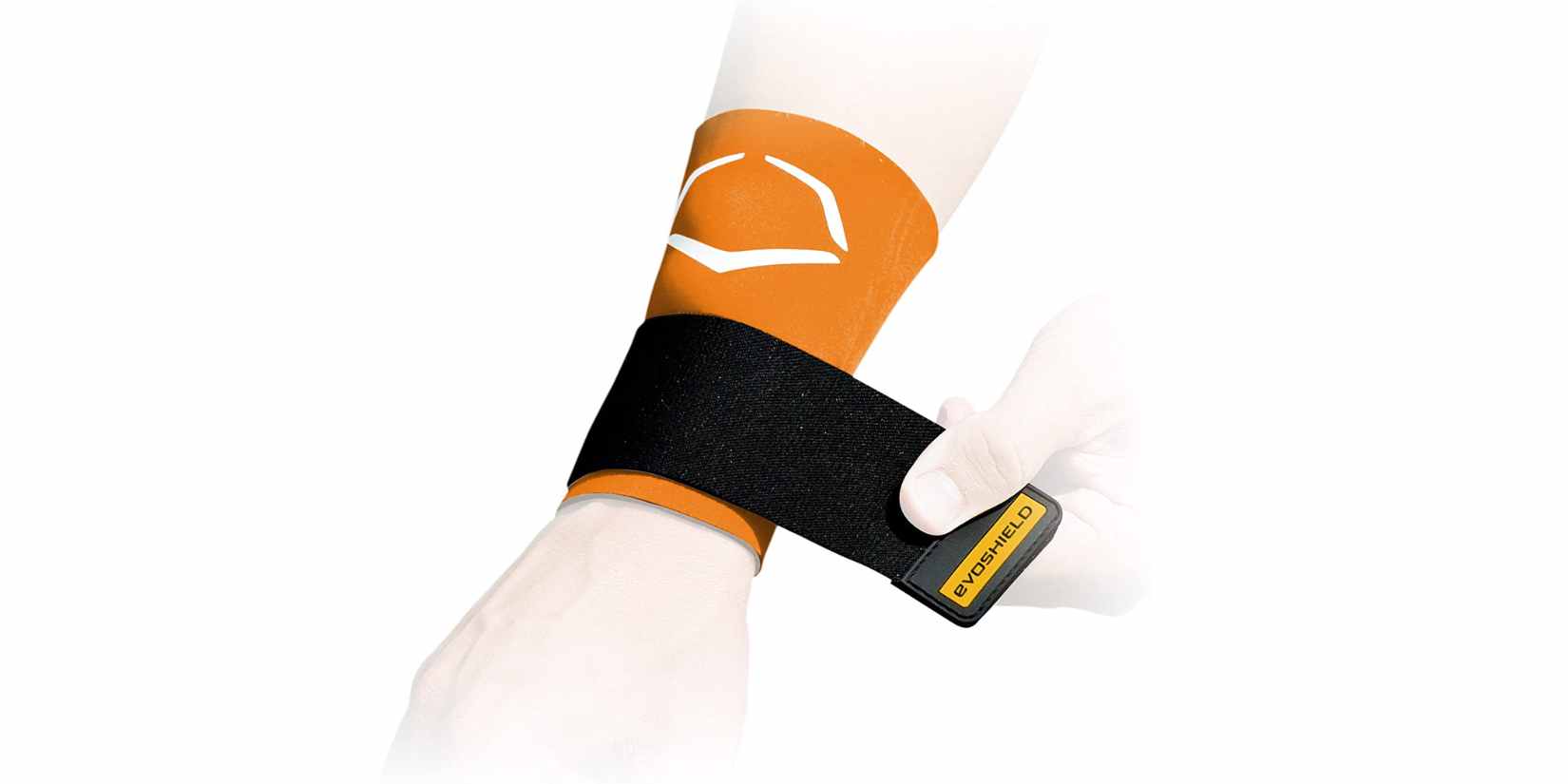
The EvoShield compression sleeve is designed to relieve pain and has enough weight to use when exercising.
Orthosleeve WS6
The Orthosleeve WS6 compression sleeve that can support and stabilize your wrist, fasten muscle recovery and improve circulation. Wear it comfortably with or under everyday clothes.
What Should I Consider When Choosing a Wrist Compression Sleeve?
Support
Proper support is integral to recovery and preventing future injuries. Your wrist sleeve should adequately support the wrist to ensure that you don’t worsen an injury or get injured again
Compression
In addition to providing the necessary support, it’s crucial for a wrist compression sleeve to offer adequate compression – too little or too much won’t let you reap the full benefits.
Material
The material of your wrist compression sleeve can make or break it.
Compression sleeves are made of different types of material. Some are significantly better than others in terms of durability and comfort. If your skin is sensitive or allergic to a specific material, ensure you take a closer look at each sleeve before purchasing it
Conclusion
Wrist compression sleeves help to relieve wrist pain and prevent further damage. If you think you should wear a wrist sleeve, consult your doctor to determine the best way forward.