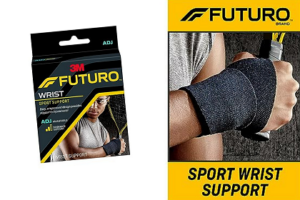
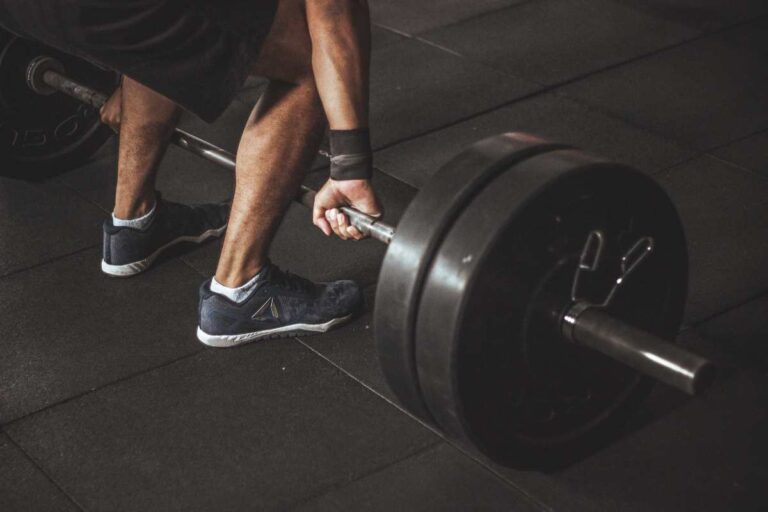

Sports wrist support is very common in the sports industry. Because they’re incredibly versatile, they are often recommended or prescribed by doctors to treat wrist pain issues. While most people view wrist supports as a response to injury or pain, athletes are aware that they can also be used to prevent injury. Wrist supports restrict, protect, and support the movement of your wrist.
If you’re unsure whether you need to be wearing a sports wrist support, here is a short guide to help you learn more.
Types of Wrist Support
1. Wrist Braces
Wrist braces help hold your wrist comfortably and prevent repetitive movements that could cause inflammation or irritation. They also alleviate pain and quicken the healing process. Wrist braces are mainly meant to be protective. They are designed to protect vulnerable areas such as joints and ligaments to avoid injury and provide reinforcement to facilitate healing after injury.
Most wrist braces are made from neoprene, nylon, or elastic polyester with some having a splint. Wrist braces are ideal for conditions such as tendonitis, carpal tunnel syndrome (CTS), strains and sprains, or fractures and arthritis. They are also an ideal choice for high impact sports such as tennis and volleyball, torsion sports such as gymnastics and yoga, and everyday work such as deskwork and typing.
Pros
- Provide excellent wrist stabilization to prevent movement during the recovery process.
- Ideal for prevention of wrist injuries from sports and a variety of other activities.
- Allow movement of thumbs and fingers, which provides fewer restrictions on activities during recovery.
- Effective for reducing swelling and inflammation.
Cons
- Can create an overdependence, which weakens the wrist instead of achieving its intended use as a wrist support. This is especially the case when braces are used instead of a rehabilitation program.
- Might cause swelling, skin chafing, and muscle atrophy.
2. Wrist Wraps
Wrist wraps support your wrist by reducing stress, aligning your hand and forearm, and helping you maintain good form when working out. Wrist wraps are used to create rigid support when lifting by preventing the wrist from flexing and bending.
Wrist wraps are made from elastic mixed with cotton, nylon, or polyester, or a blend of one or more materials. They provide rigid support to the wrists during lifting, keeping them in a neutral position to avoid sprain, strain or fracture.

3. Wrist Straps
As opposed to wrist wraps and braces, wrist straps are not used for protection but to increase grip strength. It is very rare to see even the strongest lifters do a heavy lift without using wrist straps. Most wrist straps are made from either cloth or leather and are used primarily for heavy lifting to strengthen the grip.
Pros
- They help you improve your grip strength.
- Straps are easy to use.
- You can use them for many exercises.
- They are easy to carry.
- They allow you to lift heavier weights.
Cons
- It is possible to become over-dependent on them. Using them too much can make you develop a weaker grip.
- Many leather wrist straps deteriorate quickly.
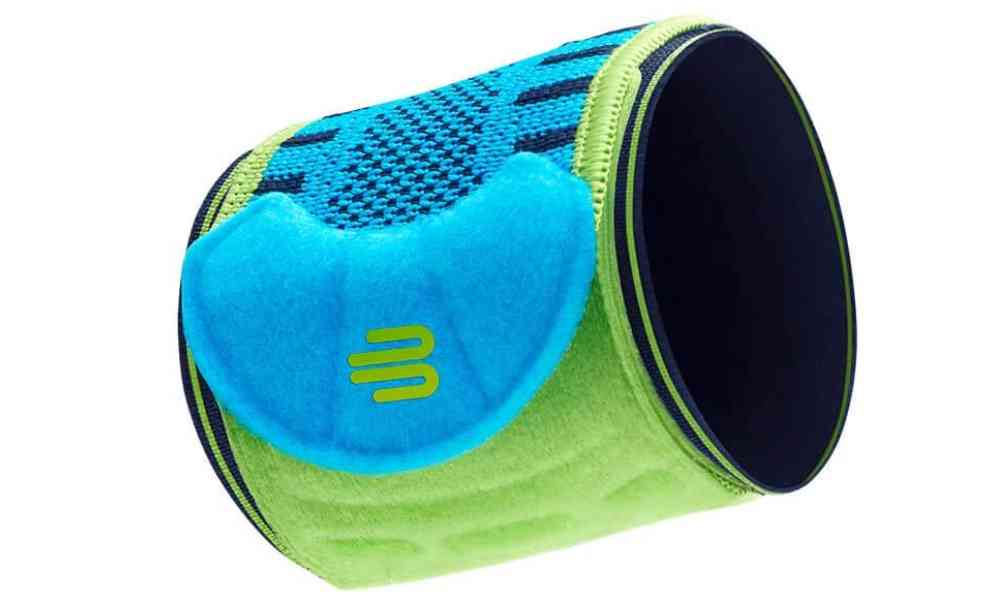
German-engineered wrist compression support. Relieves and stabilizes the wrist during intense exercise.
Fully adjustable use this wrist strap during weightlifting, CrossFit, or playing tennis.
How Do I Choose the Right Sports Wrist Support?
With so many options available in the market, it can be challenging to pick the right one. Each type has its own unique properties, so it’s essential to consider these factors:
- Material: The wrist support should be made of comfortable material. For instance, while cotton provides better comfort levels, nylon offers greater durability.
- Appearance: If you are wearing the support throughout your day, consider choosing an aesthetically pleasing design or color you would be comfortable with.
- Size and adjustability: Ensure the support is the correct size. Alternatively, choose a wrist support that is easily adjustable, especially if you can’t find a custom fit.
- Ease of use: Make sure that the wrist support is easy to put on and take off. Choose one with velcro tape and similar and easy-to-use fasteners.
- Pricing: Your budget is a dominant factor to consider when choosing wrist support. You should choose one that doesn’t put a considerable dent in your finances but is not too cheap that it compromises on quality. Reading customer reviews can help when walking the tightrope that is prices vs quality.
- Comfort: Your wrist support is something you’ll be wearing for a period of time, so you need it to be as comfortable as possible before the purchase.

Sport Wrist Support FAQ's
Do Wrist Supports Work?
Yes, they do. They help to stabilize the bones, tendons, muscles, and ligaments of the wrist joint. They also prevent further damage, reduce inflammation, alleviate pain, and promote quicker healing. Wrist supports are also very effective in preventing injuries, especially in high impact sports and weight lifting where it is common to develop injuries such as wrist sprain and fracture.
Should You Wear a Wrist Brace While Working Out?
Supporting your wrist with a brace when exercising is an amazing way to protect your wrist and help an injury recover quickly. This way, you can still stay in shape even during your recovery. But ensure that your workouts aren’t causing you any pain. If you experience wrist pain when working out with a wrist brace, stop immediately and consult a doctor.
Can I Wear a Wrist Brace Throughout the Day?
Doctors recommend wearing a wrist brace at night to keep the wrist in an ergonomic position. Ergonomic sleeves are the best option for night braces while compression braces and wraps should be avoided. Some people also use a wrist brace during the day when they need additional support.
However, freeing your joints during the day is crucial to avoid stiffness. Try as much as possible to avoid using a wrist brace all day and night unless you’ve been instructed by a medical professional. Wear a wrist brace for a maximum of two hours per day with one-hour intervals in between.
How Tight Should a Brace Be?
Your wrist brace should be tight enough to provide support and stability yet still offer comfort. Remove or loosen the brace if you’re experiencing skin irritation, numbness, or loss of circulation. A brace shouldn’t make it challenging for you to move your wrist and fingers or interfere with your everyday activities.
How Do Wrist Straps Help During Weight Lifting?
While several weight lifting hand techniques, such as a hook grip or mixed grip, prevent the bar from sliding, they are less effective. Wrist straps eliminate grip failure and allow you to lift as you can. However, this does not mean you should use them to hide a weak grip. Try to find other ways to train your arms and hands in order to build your own gripping abilities.
When Should I Start Using Wrist Straps?
If you are a beginner, using wrist straps can be very tricky. It is also unlikely that you’ll be lifting enough to actually benefit from straps. It’s usually advisable to wait at least three months to improve your natural grip strength before using wrist straps.
When you do start using straps, only use them on pull exercises such as rows, lat pulls, or the deadlift. Avoid using them for anything where there’ll be a weight above you, like the bench press or overhead press, in case you have to drop the weight unexpectedly.
Do Wrist Straps Weaken The Wrists?
No. Wrist straps are used only to support and maintain the wrist in a neutral position when lifting. However, such usage also negates the effect of exercise on the wrist. Therefore, you’ll need to come up with and implement strengthening exercises for your wrists without wearing wrist straps.
Should I Wear Wrist Wraps If I Have Had Wrist Injuries?
Yes. Wrist wraps provide stability and eliminate strain on the wrist joints and connecting tissues thus eliminating further complications and injuries. However, wrist wraps should only be used post-recovery and not while you still have mobility or flexibility issues.
Bottom Line on Sports Wrist Support
If your wrist injury doesn’t improve or worsens after using a sports wrist support for several weeks, consult your doctor immediately. They may recommend alternative solutions such as yoga, chiropractic care, or acupuncture.