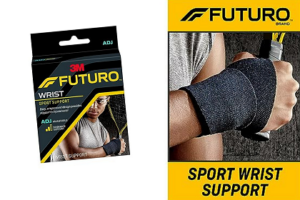
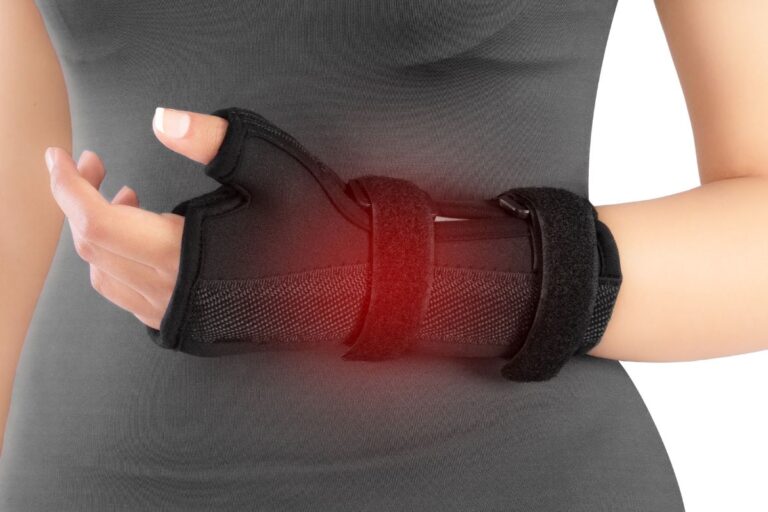

Wrapping is a form of wrist support. If you have a sprained wrist and are thinking about wrapping it, this is the article for you. Whether you’re using traditional wrapping methods or tape, there are numerous ways you could benefit from wrapping your wrist. Read on to learn how and why you need to wrap a sprained wrist.
How Do I Tell If My Wrist is Broken or Just Sprained?
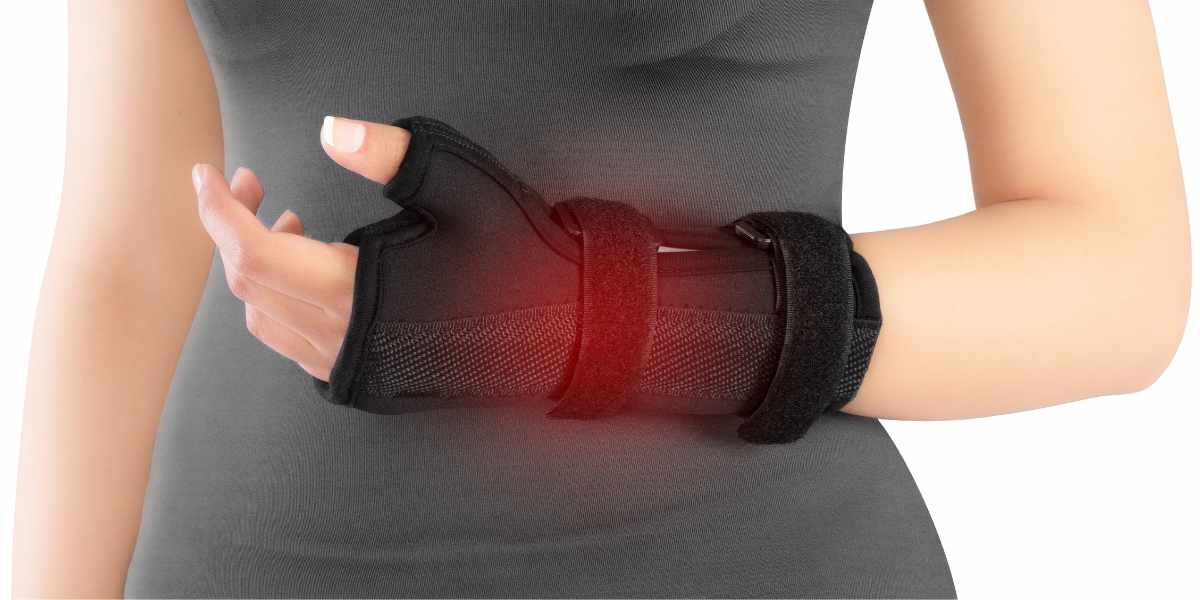
Wrist sprains are mostly accompanied by a popping sound when they occur. There’s often redness and swelling around the affected area. A sprained wrist is usually painful and swollen, especially with movement. There may also be bruising. The pain and swelling can last anywhere from several days to eight weeks.
Broken wrists, on the other hand, are usually signaled by a crack, and any movement after the incident may produce a crunching or grinding sound.
Should You See a Doctor after You Sprain Your Wrist?
Not all wrist sprains require medical attention. Minor sprains often respond to RICE treatment, meaning: rest, ice, compression, and elevation. However, if the pain and swelling continue for more than a few days or if they worsen, it’s crucial to consult your healthcare provider.
Should You Wrap a Sprained Wrist?
If you sprain your wrist, it’s recommended to wrap it promptly. Wrapping your wrist will help to stabilize the joint, reduce inflammation, and quicken recovery.
What is a Wrist Wrap?
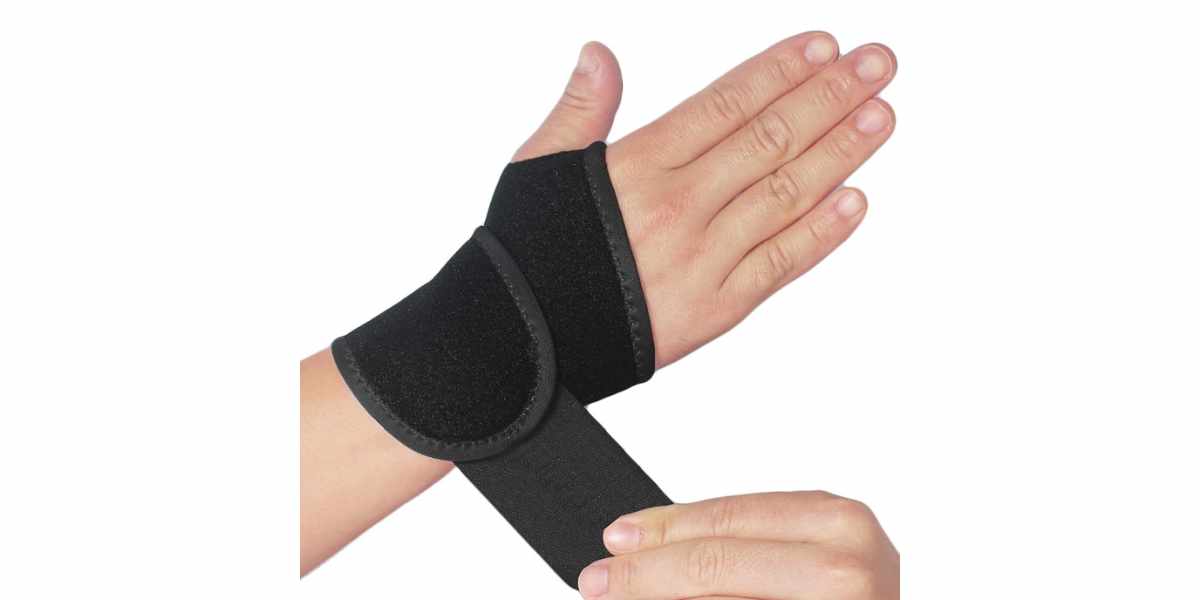
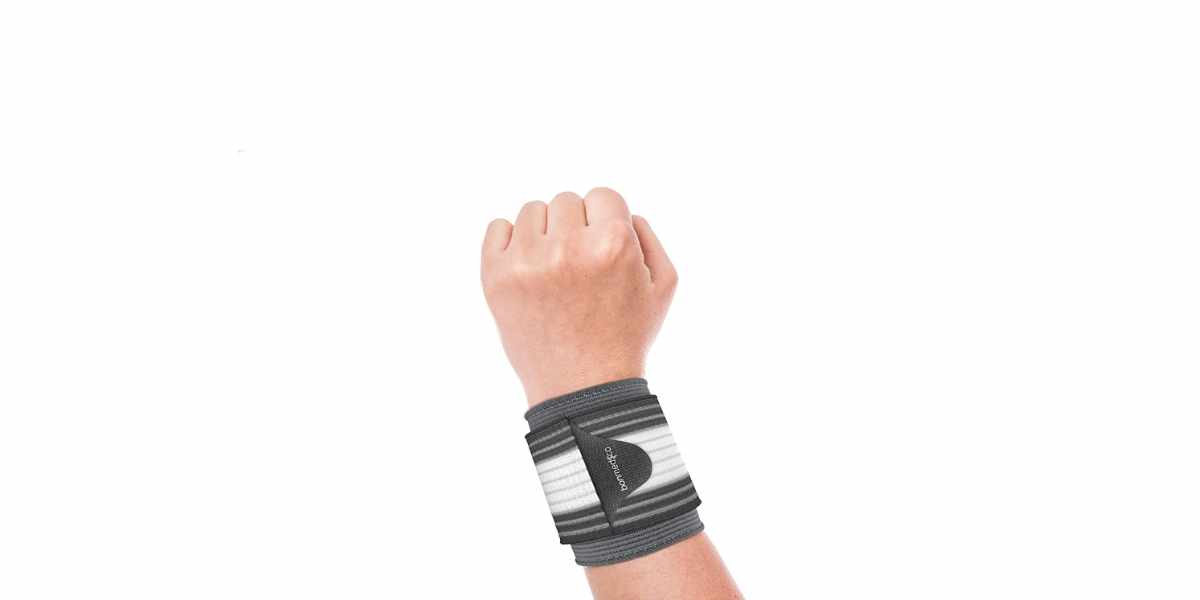
A wrist wrap is used to provide support and compression to the wrist to reduce swelling and ease pain, as well as to enhance the stability of the wrist to minimize the risk of additional injury and promote healing. Wrist wraps are made from elastic mixed with cotton, nylon, neoprene, or polyester, or are a blend of two or more of the materials with elastic. They can also be made from cotton or neoprene without additional materials.
Wrist wraps made to promote healing should be wrapped from the hand to the forearm for better stability and to reduce the risk of additional injury to the wrist. Aside from promoting healing, wrist wraps can also be used to provide better support to the hand-to-forearm area, especially while lifting. In this case the materials used for such wrist wraps aside from the aforementioned materials include rubber and leather or suede. Wrist wraps made for lifting are usually wrapped around the base of the hand to provide hand-to-forearm support.
What are the Benefits of Wrapping Your Wrist?
Wrapping your wrist is an easy and affordable way of providing support to your wrist. Below are some of the other benefits.
- Limits wrist movement
- Reduces swelling and inflammation
- Prevents further injury
- Provides compression
- Reduces pain
- Enhances awareness of the injury
How Do You Wrap Your Wrist?
Step 1: Wash your hands and make sure the bandage is clean.
Step 2: Keep your wrist straight. This can be a bit challenging if you are wrapping your wrist yourself. While one of your hands is occupied with the bandage roll, you can use your body, a table, or a wall to keep the bandage in place as you start to roll.
Avoid bending the injured hand back or forward as you wrap. The aim is to keep the wrist straight to protect it from further damage. The easiest approach is to ask someone to wrap the bandage for you to ensure that your wrist is immobilized properly and the wrap is taut.
Step 3: Begin wrapping your wrist from your hand, around your fingers and just below the knuckles, towards your elbow. Each wrap should cover no less than 50% of the previous wrap as you move. After wrapping around your elbow, reverse the direction and wrap towards your fingers. When the wrap reaches the area between the thumb and forefinger, loop the wrap in a way that draws a figure-8 pattern.
Step 4: The wrap should be snug but not tight. Secure the last part of the bandage with a pin or Velcro tape.
How Long Should You Wrap a Sprained Wrist?
Wrist sprains can take two to eight weeks to heal completely, but some may take longer. Generally, the more severe the wrist sprain is, the longer it will take to recover.
Although wrapping can help protect and stabilize your wrist, it’s important to avoid overusing wrap as this can affect your recovery and make your muscles reliant on additional support.
For more severe sprains, consult your doctor for more guidance. They will tell you how long your wrist needs to stay wrapped and guide you through the recovery process.

Made with medical grade material – perfect for physical therapy.
Leaves no residue on your skin – peels off with ease.
Should I Keep a Sprained Wrist Wrapped All Night?
You can remove the wrist wrap when bathing or sleeping unless your doctor advises you to keep it on.
What is the Quickest Way to Heal a Sprained Wrist?
Mild-to-moderate wrist sprains often improve with the RICE protocol:
- Rest. Try not to use the affected wrist for at least 24 hours.
- Ice. Apply some ice to the injury to minimize swelling.
- Compression. Use an elastic bandage to reduce swelling.
- Elevation. Keep your wrist above the level of your heart or support it with a pillow.
How Can You Take Care of a Sprained Wrist at Home?
Support your arm with a pillow whenever you ice it or lie down. This helps reduce swelling.
Put ice on your wrist for about 15 to 30 minutes. Try doing this for the next three days or until the swelling reduces.
After a few days, once the swelling is gone, apply a warm cloth or heating pad (set on low) to your wrist. This makes your wrist more flexible. Some doctors recommend going back and forth between cold and hot.
After 2-3 days of applying ice packs and heating pads, and if the swelling goes down, wear a wrist bandage for the next 24-36 hours. Ensure that the bandage is snug but not super tight that it causes tingling or numbness.
You can still move your wrist, although painfully. However, try to limit movement as much as possible to avoid causing your wrist further damage.
Will a Sprained Wrist Heal on its Own?
The good news is that minor wrist sprains can heal without treatment. They just require some time. You can speed up the recovery by wearing a wrist wrap.
Sprained Wrist Wrap Conclusion
Wrapping your wrist is an effective way to treat mild sprains. However, before you begin this treatment, it’s best to talk to your doctor to ensure it’s not a bone fracture. Once they give you the heads-up, wrap your wrist using an elastic bandage. It will reduce the swelling, speed up the recovery, and get you back to your regular routine in no time.